Pest control for
institutional kitchens.
Ongoing meal production needs zone-specific monitoring. Eversor inspects receiving, kitchens, serving and dishwashing, treats pest problems and arranges regular prevention with practical records for your team.
Planning prevention? View the plan and reporting
Your premises, zone by zone.
We agree which spaces are covered by the assignment. Within that scope, we inspect where pest activity, food sources and entry points meet.
Receiving & central stores
Frequent deliveries and large stocks require zone-specific observations. We assess entry points, shelving and routes towards preparation.
Discuss your situationPreparation & serving
Workstations and serving points are assessed together. Access and temporary restrictions are agreed around meal schedules.
Discuss your situationDishwashing, waste & technical areas
Return flows and wet areas receive separate attention. We agree who arranges technical access and which reports reach the kitchen manager.
Discuss your situationRisks around your operations.
We look for pest activity and the conditions that sustain it. Our findings determine the treatment and the improvements needed.
Rodents along goods routes
We inspect receiving, stores and waste and follow signs along walls and openings. Monitoring points are recorded by zone.
Rodent controlCockroaches in warm areas
Refrigeration, equipment and dishwashing may contain connected harbourages. We assess spread between workstations and monitor activity after treatment.
Insect controlFlies in wet and waste areas
Species and observations guide assessment of drains, residues and waste. Source management is coordinated with cleaning and maintenance.
Flying insectsDefects and zone boundaries
Openings, defective doors and hard-to-access storage arrangements are assessed. Responsibility and progress on improvements are included in the plan.
Building proofing
Targeted work.
Clear follow-up.
In a large-scale kitchen, movement between zones matters as well as the pest itself. We use a defined scope, numbered monitoring points and agreements with kitchen management, cleaning and maintenance.
Map the zones
Kitchen, stores, serving, dishwashing and waste are agreed inspection areas. Plans, production hours and previous observations help organise checks.
Plan treatment by zone
Measures and access restrictions are coordinated around meal production. We record which areas, food and equipment need preparation.
Assign follow-up responsibilities
Cleaning, proofing and technical defects are described separately. Your organisation identifies responsible people; we agree how outstanding items will be followed up.
Adjust ongoing management
Signs, monitoring and changes in production guide agreed checks. Reports distinguish findings, work completed and follow-up actions.
A plan your team can use.
Large-scale kitchen records identify zones, monitoring points and arrangements with management, cleaning and maintenance. Changes to routes, equipment or serving areas are recorded. Staff on another shift can see which observations or actions still need follow-up.
For Belgian food safety self-checking, we keep the pest plan, monitoring points and records organised. The file supports pest management within your HACCP procedures.
More about regular preventionOfficial information: FASFC: self-checking for B2C businesses
Practical resources: Hospitality control logbook (Dutch)
Plan & monitoring points
The spaces covered and numbered monitoring points.
Findings & treatments
The date, location, activity and work carried out at each visit.
Actions & follow-up
Agreed improvements, responsibility and checks on the outcome.
Products used
Where applicable: product details, use and relevant safety information.
Remote monitoring where it helps.
EverSmart can monitor suitable points remotely. We assess whether it fits your premises. Alerts need follow-up; inspections, building repairs and checks remain part of the approach.
Clear work and pricing agreements.
The price depends on the spaces, pest activity, chosen measures and agreed number of visits. For prevention, monitoring points and inspection frequency also matter.
What we agree in advance.
- The spaces and monitoring points included
- Treatment, monitoring and reporting
- The number of visits and follow-up
- Preparation, access and scheduling with your team
Proofing, equipment and extra visits are discussed separately in advance when they fall outside the proposal.
Request a proposalPractical questions.
About preparation, scheduling and your pest management records.
Which kitchens is this approach intended for?
Examples include central production kitchens, staff canteens and kitchens in schools or care facilities. Scope and access depend on the premises; other buildings are not automatically included in the kitchen assignment.
Can you work around several daily meal services?
Yes. Provide production, serving and cleaning times. Access and temporary restrictions are planned by zone, depending on the chosen method.
Will we have a zone-specific plan?
With ongoing management, agreed zones and monitoring points are recorded. Reports connect findings and actions to the relevant location.
How are management and maintenance involved?
We agree a clear reporting route and contact person. Cleaning or sealing work is assigned to a responsible person; delivery of that work is agreed separately.
Does a pest-control file mean food safety approval?
No. Our records support pest management within self-checking procedures. They do not replace a complete food safety system or assessment by FASFC or an authorised certification body.
Do I receive records for food safety self-checking?
You receive reports on the agreed work and findings. With ongoing management, we also maintain the pest plan, monitoring points and follow-up actions. Product information is included where products are used.
How often are preventive checks needed?
Frequency is set after the risk assessment. Location, deliveries, storage, building condition and previous activity all matter. We adjust the plan when new reports or risks arise.
Tell us about your premises.
Include your type of business, municipality, affected spaces and what you have observed. Let us know whether you need help with existing pests or want to arrange regular prevention.
We will contact you to discuss the approach, costs and a suitable appointment.
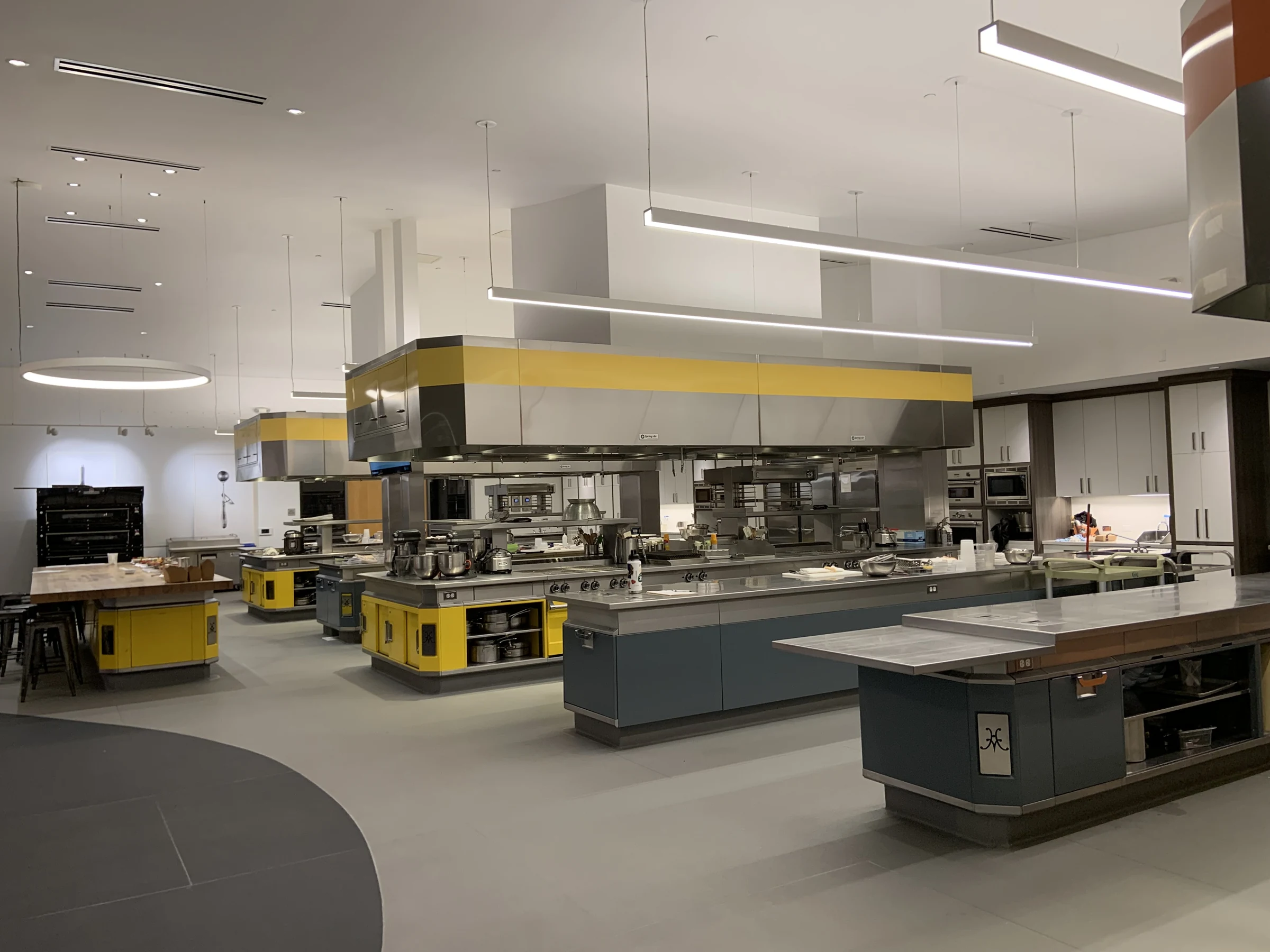
Sector image: Shrinks99 / Wikimedia Commons · CC0 1.0.