Eversor · Belgium
Bed bug treatment for hotels and property managers
A guest report, an affected rental property or signs in several rooms? Eversor assesses the evidence and proposes inspection, treatment and follow-up suited to your building, occupancy and schedule.
Quotation before treatment · Rooms and visits agreed in advance · Report after each visit
Received a report? Start with a clear record.
Record the room, date and exact location of the finding. Take a clear photograph of the insect or signs if possible. Bites alone do not confirm bed bugs. Have the evidence assessed before arranging treatment or replacing furniture.
Discuss the use of the affected room and movement of linen before taking action. Ask staff not to apply additional insecticides. Appoint one contact to coordinate reports, access and communication with guests or residents.
Treatment that fits the way your building is used.
Hotels, B&Bs and holiday accommodation
We discuss the rooms involved, occupancy and access. Preparation includes arrangements for housekeeping and linen, and an assessment of whether nearby rooms need inspection.
Landlords and property managers
Collect reports by room or property. We coordinate inspections and visits with the authorised manager and residents. One report does not automatically mean the entire building needs treatment.
Institutions and shared housing
For several rooms or departments, we discuss the occupants, practical access and whether phased work is feasible. Instructions and follow-up arrangements need to be clear to everyone involved.
From inspection to agreed follow-up.
Assessing your report
Provide the postcode, building type, number of rooms involved and first sighting. Photographs and reports from earlier treatments help us assess the situation.
Inspection and scope
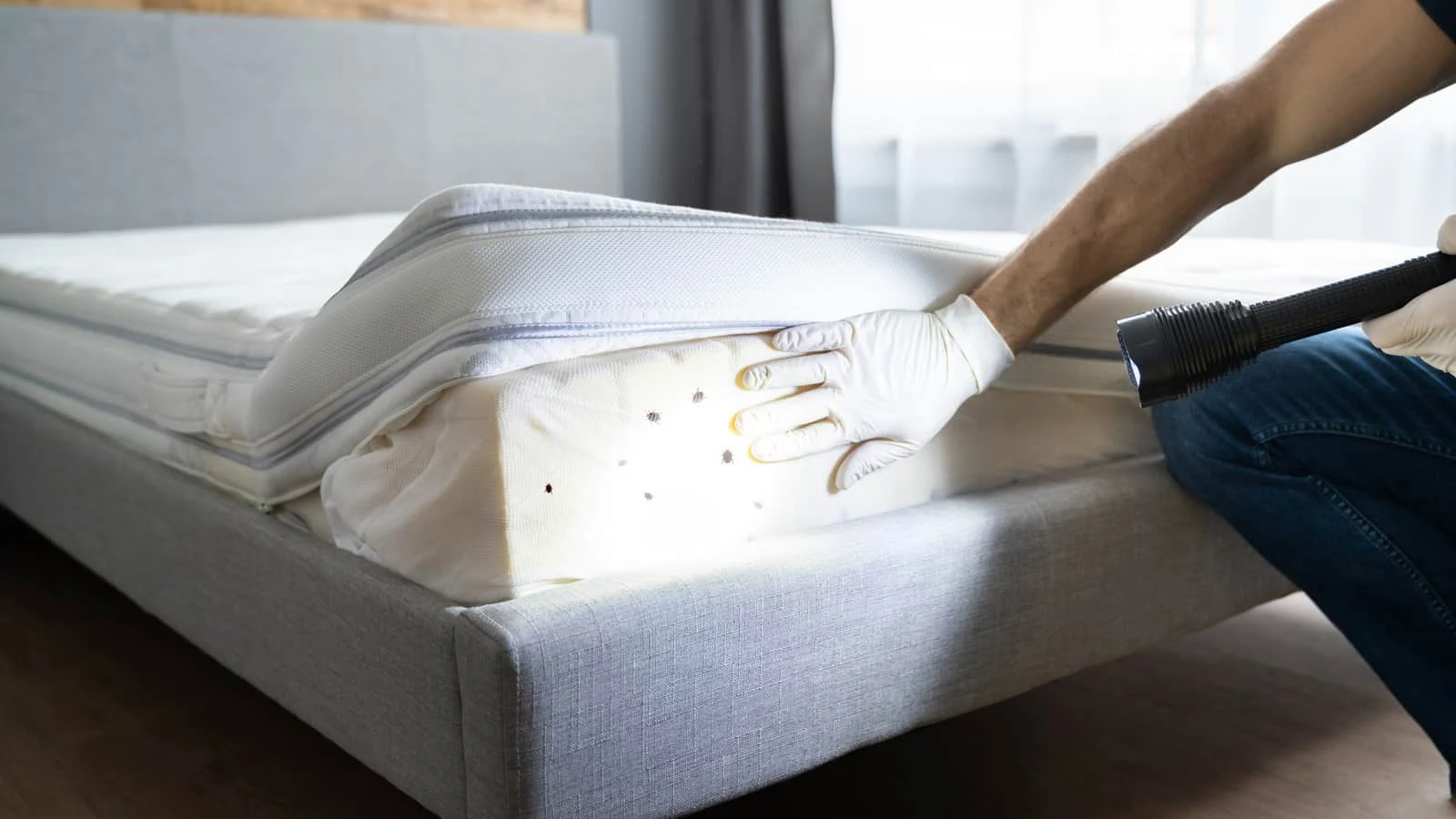
We examine relevant beds, furniture and accessible hiding places, and assess whether nearby rooms need investigation. Inspection arrangements are confirmed beforehand.
Quotation and preparation
Your proposal sets out the method, rooms, planned visits and total cost. We agree what staff or residents need to prepare. Treatment starts after you accept the quotation.
Treatment, reporting and checks
After each visit you receive a report with findings, work and instructions. Report fresh evidence with the date, room and photograph; do not wait for a scheduled check.
The inspection determines the treatment.
Targeted steam and insecticide treatment
Steam can be applied to suitable, accessible hiding places. Where needed, we apply authorised insecticides to appropriate areas. You receive instructions for preparation, ventilation, room reuse and cleaning.
Professional heat treatment
Controlled heat treatment can be discussed where the property is suitable. Layout, sensitive materials and technical facilities determine feasibility. Heat must reach hiding places; targeted additional treatment and follow-up may be needed.
The number of treatments and checks depends on the situation. A single visit or a fixed time for reusing rooms does not suit every building. Your quotation and instructions describe your own programme.
Compare the complete programme, including follow-up.
Cost depends on the extent of the infestation, number and size of rooms, access, method and required visits. When comparing quotations, check exactly what each proposal includes.
- Which rooms, furniture and work are covered?
- Which treatments and check visits are planned?
- Who coordinates access, preparation and residents?
- How are new findings and additional work assessed?
Work outside the agreed scope is discussed beforehand. An enquiry is a request for contact; a treatment appointment is agreed separately.
Practical questions for your organisation.
Do neighbouring rooms also need treatment?
That does not follow automatically from one report. We assess the layout, findings and possible spread. The inspection and treatment plan determine which rooms are involved.
Can guests or residents remain in the building?
We agree which areas cannot be used temporarily and whether phased work is possible. When a room can be reused depends on the method and its instructions.
What if another company has already treated the property?
Provide the dates, rooms, methods and reports. We assess the current evidence in the context of earlier treatment before proposing new work.
What does our manager receive after a visit?
A report of the findings and work, with instructions and next steps. Nominate one contact who can coordinate preparation and follow-up within your organisation.
Discuss the report and your schedule.
Provide the postcode, building type and number of potentially affected rooms. Tell us whether guests or residents are present and whether there has been earlier treatment. We contact you to discuss assessment, access and the next step.
We use your details to handle your enquiry. Read our privacy policy.